Freya Becker · 23 October 2026
Valefield Hospitality Operators Adapt to Shifts in Visitor Patterns Favoring Extended Stays and Niche Events
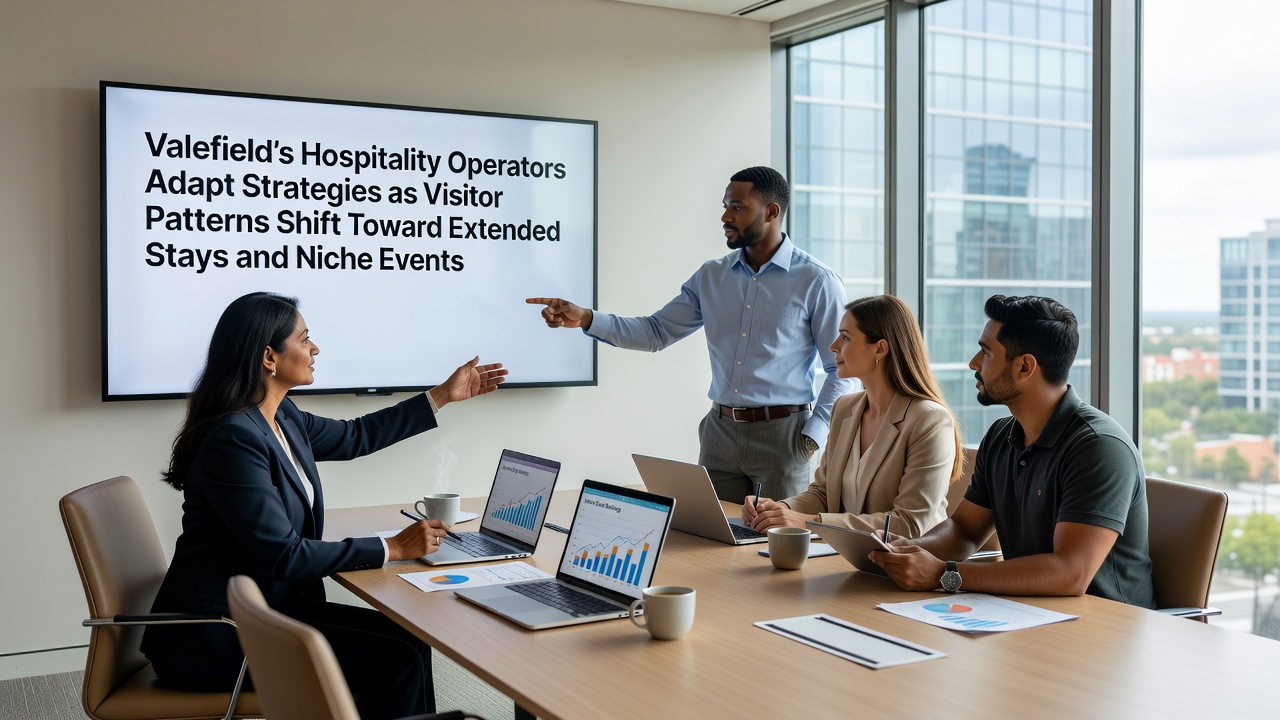
Valefield hospitality operators have responded to evolving visitor patterns by adjusting their offerings toward extended stays and specialized events, and data from regional tourism reports indicate that these changes align with broader national trends observed since early 2025. Booking records from multiple properties show an increase in reservations lasting seven days or more, while shorter weekend trips have declined by noticeable margins according to industry tracking services. Operators cite factors such as remote work flexibility and interest in localized experiences as key drivers behind the adjustment.
Tracking the Change in Stay Lengths
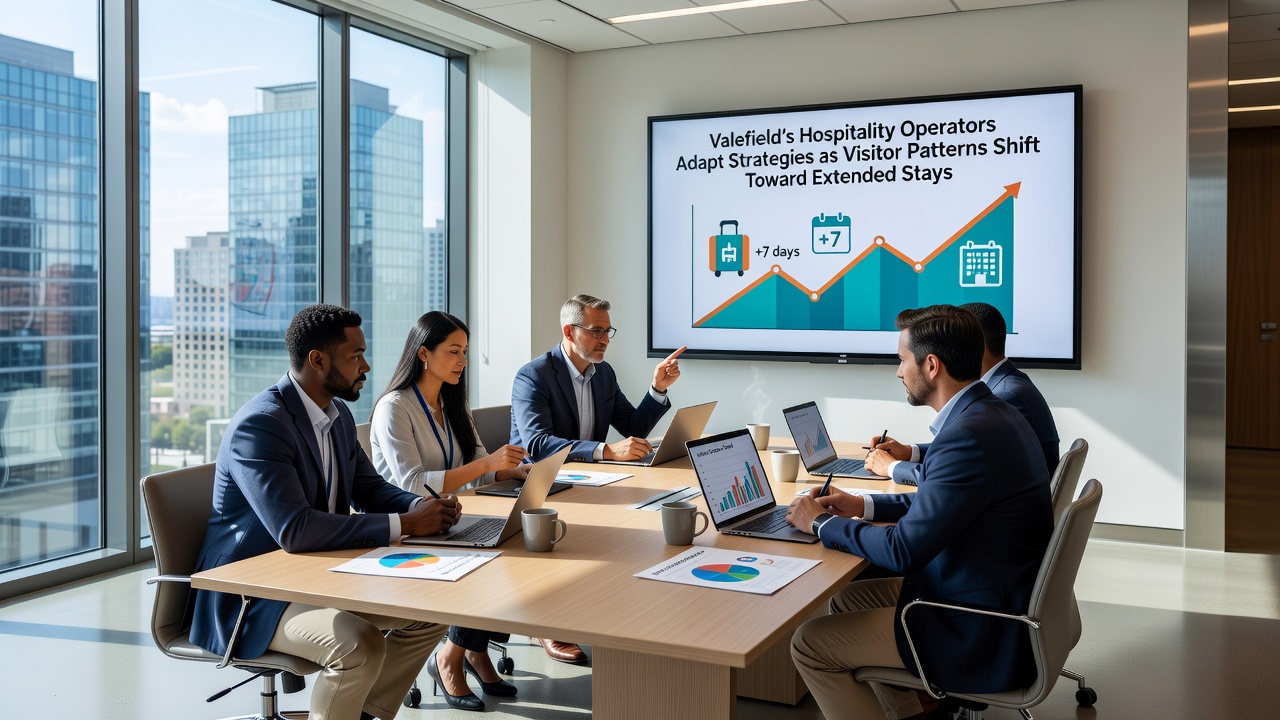
Figures compiled by local lodging associations reveal that average stay durations in Valefield rose from 3.2 nights in 2024 to 5.8 nights during the first three quarters of 2026, and this shift prompted several establishments to introduce weekly rate packages and workspace amenities. Properties that once focused on quick-turnover bookings now maintain dedicated areas for longer-term guests, including kitchenette upgrades and laundry access. One property manager noted that repeat bookings from the same individuals have grown steadily, creating more predictable revenue streams across slower months.
October 2026 data further highlighted the pattern, with extended-stay occupancy rates reaching 68 percent across participating venues, and analysts link the increase to seasonal foliage tours combined with professional conferences that stretch over multiple days. These metrics come from aggregated reports shared among Valefield business networks rather than single-source estimates.
Emphasis on Niche Events
Alongside longer visits, operators have expanded programming around niche gatherings such as photography workshops, culinary retreats, and small-scale music sessions that attract targeted audiences. Event calendars from several hotels list monthly themed weekends that pair accommodations with hands-on activities, and participation numbers have climbed from prior years according to internal tallies. Venues report that these focused events fill rooms during periods that traditionally saw lower demand, while also encouraging guests to extend their time on-site.
Coordination with local artisans and instructors has become standard practice, and partnerships allow properties to offer bundled experiences that include meals, materials, and guided sessions. A review of event permits filed with municipal offices shows a 22 percent rise in applications for such gatherings compared with the same period in 2025, confirming the scale of this operational pivot.
Operational Adjustments Across Properties
Staff training programs in Valefield now incorporate modules on managing longer guest interactions and coordinating multi-day events, and several chains have invested in software that tracks both occupancy and activity participation in a single system. Larger resorts converted portions of their meeting space into flexible workshop rooms equipped for smaller groups, whereas boutique inns added outdoor seating areas suited to evening discussions or demonstrations. These modifications reflect direct responses to reservation patterns rather than speculative planning.
Supply chain adaptations include bulk purchasing agreements for pantry staples and event supplies, which reduce per-guest costs when stays lengthen. Observers from regional hospitality groups note that properties maintaining these adjustments have recorded steadier cash flow compared with those that retained traditional short-stay models exclusively.
Broader Context from Industry Sources
Research compiled by the Australian Tourism Research Institute indicates similar extensions in average visit lengths across comparable regional destinations, while a separate analysis from Tourism Canada documents increased demand for activity-based events that align with professional or hobby interests. Valefield operators reference these external datasets when evaluating their own performance metrics and when forecasting inventory needs for the remainder of 2026 and into 2027.
Conclusion
Valefield hospitality businesses continue to refine their approaches based on accumulating booking and event data, and the combined focus on extended stays with niche programming has produced measurable shifts in occupancy and revenue distribution. Ongoing monitoring by local associations will determine whether these adaptations stabilize further or require additional tweaks as visitor preferences evolve.