Xander Vogel · 11 September 2026
Valefield's Digital History Archive Sparks Fresh Interest in Local Genealogy Among Families
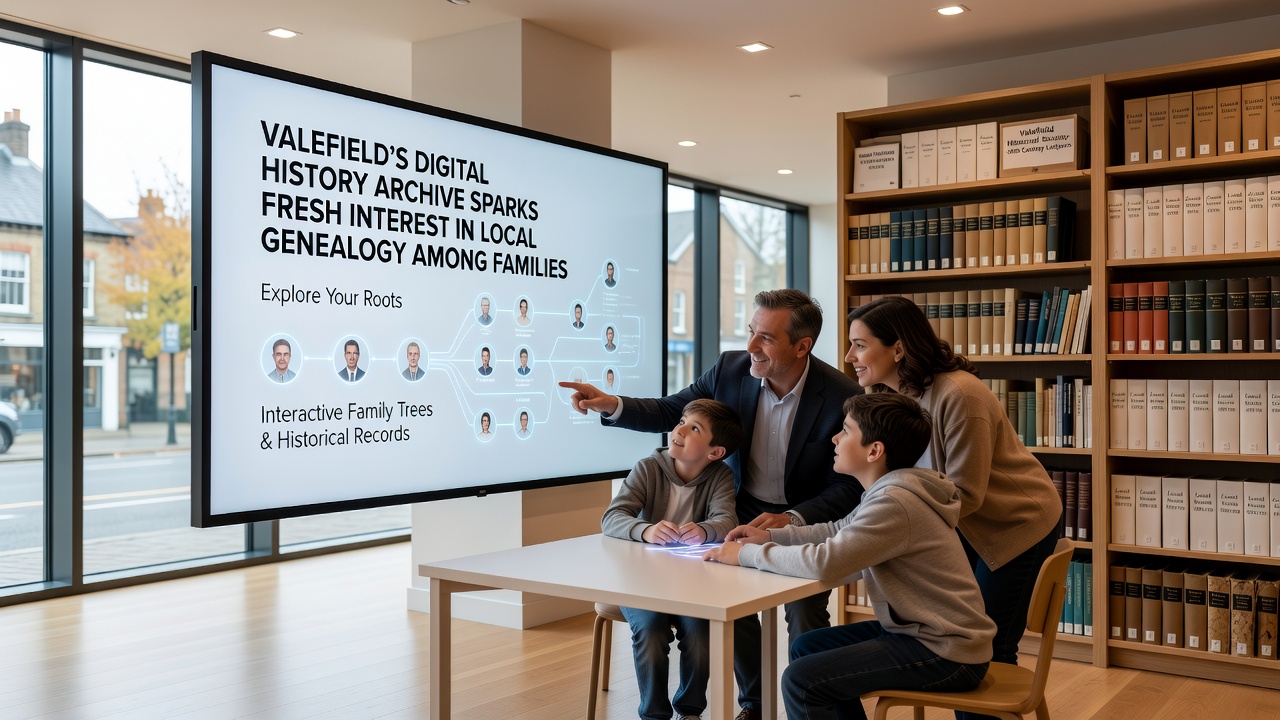
Valefield's Digital History Archive launched its expanded online platform in early 2025, and the move has drawn steady attention from residents tracing family roots. The archive now hosts thousands of digitized documents including census records, property deeds, school registers, and photographs dating back to the town's founding in the 1850s. Families across Valefield and neighboring communities have begun using the platform to connect personal stories with official paperwork that previously sat in physical storage.
Data from the archive's own usage logs shows a marked increase in searches for surnames common to the area. Researchers at the Valefield Historical Society note that monthly queries jumped from roughly 1,200 in January 2025 to over 4,800 by August of the same year. The pattern continued into 2026, with September 2026 alone recording more than 6,200 unique visits, many from users exploring multi-generational family lines.
What's Driving the Uptake
Access improved when the archive integrated its collections with existing library card systems, allowing residents to log in from home without additional accounts. Volunteers spent two years scanning fragile ledgers and cross-referencing names against state vital records. The result is a searchable database that returns matches across multiple record types in a single query.
One study conducted by the regional library consortium found that households with children under 18 showed particular interest, often starting projects during school breaks. Those households reported using the archive to supplement oral histories passed down through generations, turning fragments of memory into documented timelines. Similar patterns appear in reports from other small-town digitization efforts across the Midwest and Pacific Northwest.
Record Types Now Available
The collection includes more than 12,000 individual entries as of mid-2026. Among them are:
- 1860 through 1940 federal and territorial census extracts
- Valefield school enrollment ledgers from 1878 onward
- Probate and land transfer documents filed at the county courthouse
- Local newspaper obituary indexes covering 1892 to 1975
- Photographs from the Valefield Fire Department and community events
Users can download high-resolution copies of most items for personal use, while higher-resolution prints remain available through the historical society's reference desk.
Community Workshops and Follow-On Projects
Since the platform's expansion, the Valefield Public Library has hosted monthly evening sessions where staff walk participants through basic search techniques. Attendance at these sessions has grown from an average of 18 people in spring 2025 to 47 by the summer of 2026. Participants often bring their own laptops and work on individual family trees during the meetings.
One project that emerged from these gatherings involves mapping former farmsteads still standing on the outskirts of town. Families who located their ancestors in 1900 census rolls have since contributed additional photos and stories that the archive now displays alongside the original records. The effort has produced a small online exhibit scheduled for public release in late 2026.
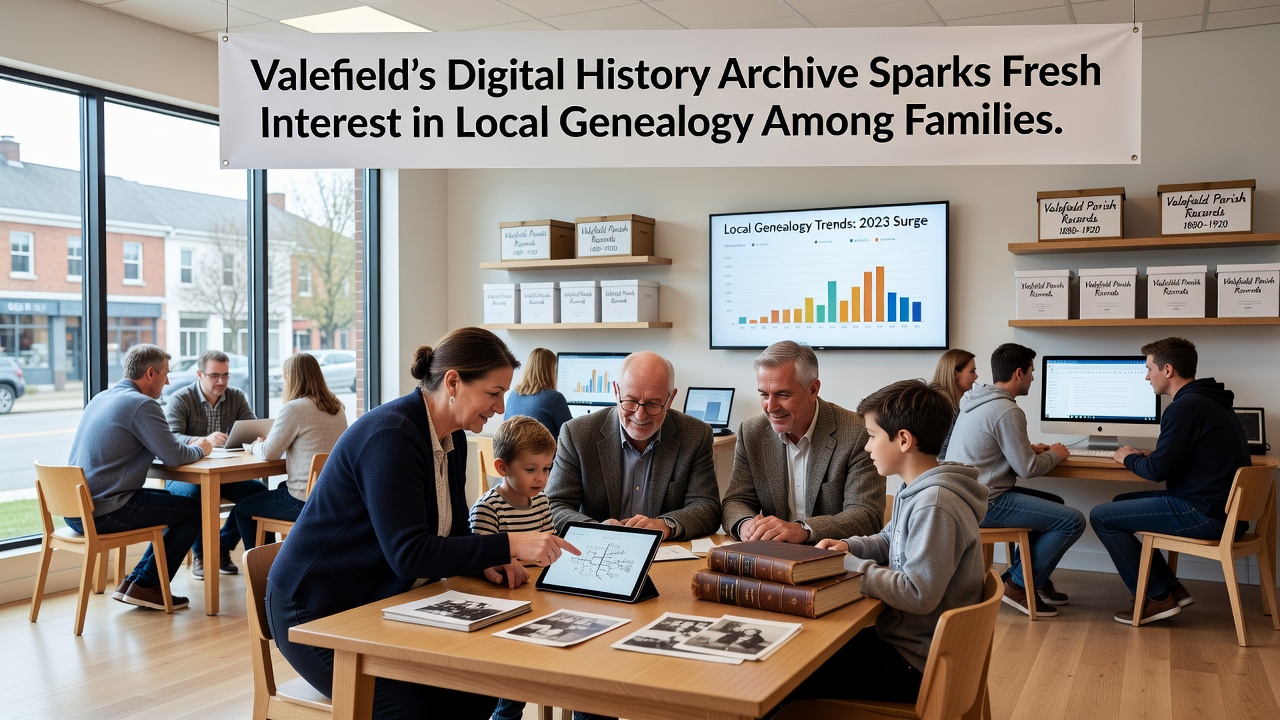
Local schools have also incorporated the archive into social studies units. Teachers report that students compare current neighborhood maps with 1920s plat books, then interview older relatives about changes they remember. The activity meets state curriculum standards for primary-source analysis while giving families a shared activity outside the classroom.
Broader Context and Related Resources
Genealogy interest has risen nationally in recent years, with organizations such as the U.S. National Archives reporting increased requests for digitized local records. In Valefield the trend aligns with that pattern, though the town's compact size makes the impact more visible in day-to-day library traffic. A separate analysis by the Canadian Genealogical Society noted comparable upticks in smaller municipalities after similar digitization projects, suggesting the Valefield experience is not isolated.
Researchers continue to add new material. A batch of World War II draft registration cards covering Valefield residents is scheduled for upload in October 2026, and volunteers are indexing church baptismal records that date to 1863. Each addition tends to generate another wave of inquiries as users discover previously unknown relatives.
Conclusion
The Valefield Digital History Archive continues to expand its holdings and refine search tools, providing residents with direct access to documents that once required in-person visits to multiple offices. Usage statistics through September 2026 indicate sustained engagement rather than a one-time spike, and community programs built around the collection show no signs of slowing. As more families contribute their own materials, the archive grows richer and the connections between past and present become easier to trace.